
It Takes A Village
Inside CAPCHP Spring Term 2026

[ Tiếng Việt bên dưới bài ]
Starting Point: Why CAPC-HP Exists
There are two sentences I had never heard until I became a mother in Vancouver:
It takes a village to raise a child.
The days are long but the years are short
I kept seeing them over and over—in forums, in parenting groups, in articles I would read during those short moments I could steal for myself. Between endless cycles of diapers, feeding, cleaning, and the broken sleep that comes with raising a child in the first two to three years.
Two short sentences.
But they capture, in the most honest way, the demanding reality of motherhood—the long days, the long nights, the constant care.
You don’t truly understand that journey until you live it.
But my reality was this:
No help.
No village.
Like many newcomer mothers, I was on my own—figuring things out, carrying everything, one day at a time.
You have no idea, until you experience it yourself.
And somehow, along the way, I found myself coordinating the Community Action for Prenatal and Child Health Program (CAPC-HP) at MOSAIC—while trying, in my own way, to help create a village for other mothers.
A place where they might have a shoulder to rely on.
At least, that is my hope.
What CAPC-HP Is About
At its core, CAPC-HP is designed to support parents of young children through:
Access to trusted information
Connection with service providers
Opportunities to build peer support networks
But beyond services and sessions, the program is about something deeper:
Creating conditions where families feel less isolated, and more equipped to care for both their children and themselves—
to learn,
to connect,
and to gradually feel less alone.
Spring Term Overview
If you ask what CAPC is, the easiest way is not to explain it— but to look at what we actually did.
As the Spring term (April - June) came to its final weeks, across 11 sessions, I could see the full journey behind us.
For the first time, I felt proud that the program had:
A clear session flow from beginning to end
Consistent communication through social media
Stronger participant engagement beyond the classroom
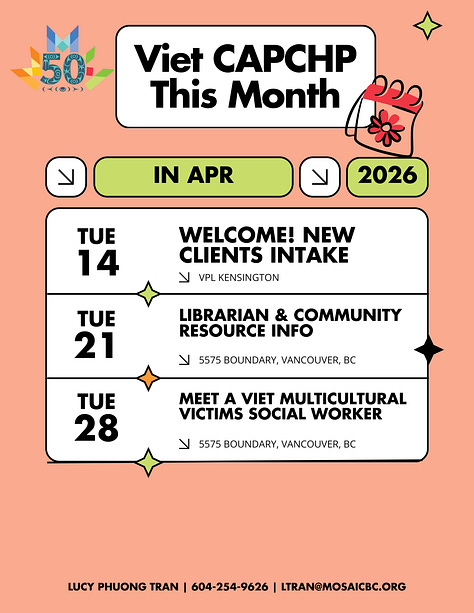
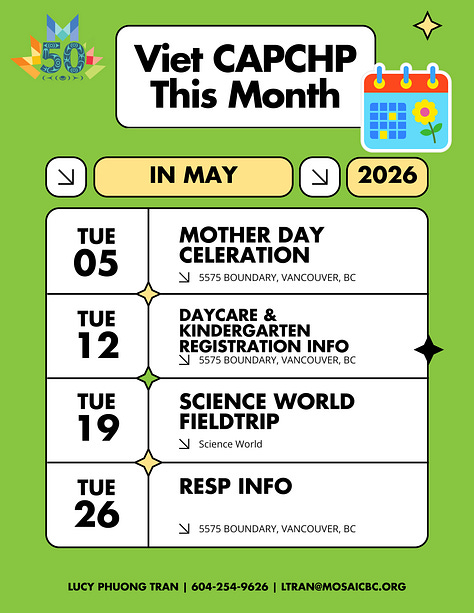
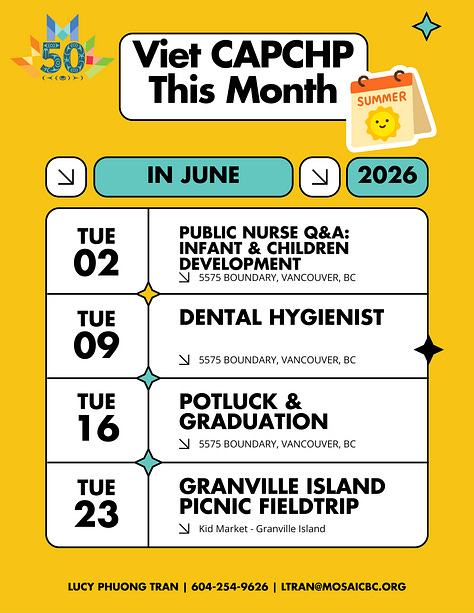
CAPC-HP sessions


What We Delivered
1. Practical Learning Sessions
Each CAPC-HP session runs for two hours and is thoughtfully structured into three parts.
The first part focuses on learning and connection. Caregivers explore essential topics related to early childhood and parenting, or connect with community professionals. At the same time, children engage in free play and enjoy Art & Craft activities with the ECE teacher.
The second part is shared mealtime. It’s a simple but meaningful moment where children practice social interaction, while caregivers have the chance to sit together, talk, and build connections.
The third part is Circle Time—often the most anticipated part of the session. Children and caregivers come together to learn and play side by side, guided by the ECE teacher in a space filled with joy, rhythm, and connection.
Across the 11 sessions, I’ve had the opportunity to cover topics that are practical and relevant for families:
Childcare resources (Westcoast Child Care Resource Centre)
Kindergarten registration (Vancouver School Board)
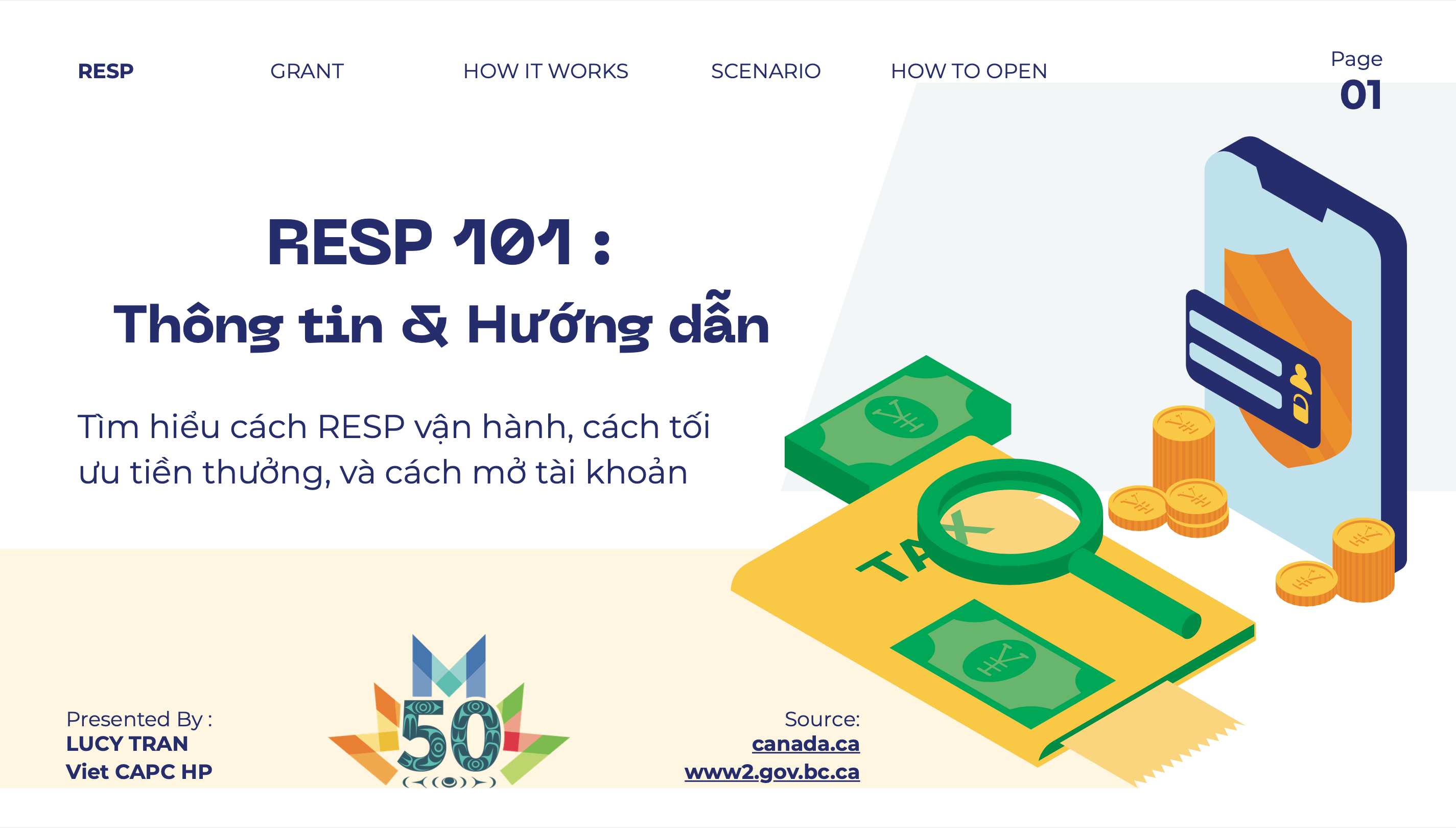
RESP and financial literacy for families (a topic I am especially passionate about)
They may not seem like big things, but they are the kinds of information families truly need—timely, accessible, and directly connected to their everyday lives.
2. Guest Speakers and Service Access
This term, we partnered with a range of service providers to bring expertise directly into the program:
Multicultural Victim Services
Public Health Nurse
Dental Hygienist
These sessions allowed participants to:
Ask questions in a supportive environment
Better understand available services
Build confidence when navigating systems


3. Ongoing Communication and Peer Support
In addition to formal sessions:
An official Facebook group was used for updates and shared information
A Client-created WhatsApp group became the main channel for daily interaction
While both platforms were important, the WhatsApp group became the most active space for meaningful connection.
Through small, consistent interactions, participants:
Shared experiences
Asked questions
Supported one another
Over time, these interactions helped build trust and a sense of belonging.
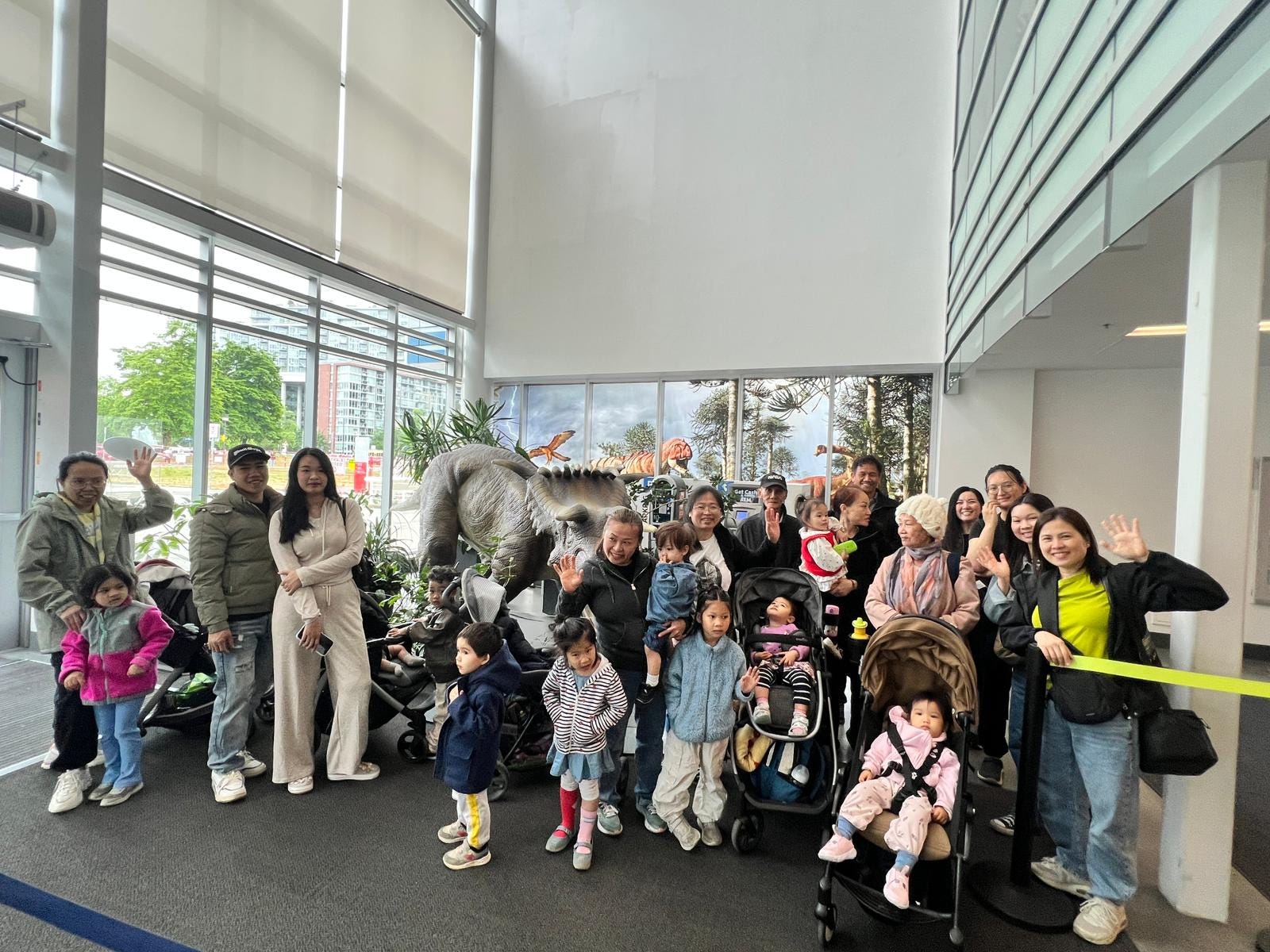
4. Field Trip: Supporting Well-being
Learning all the time can be exhausting. Too much information can become overwhelming.
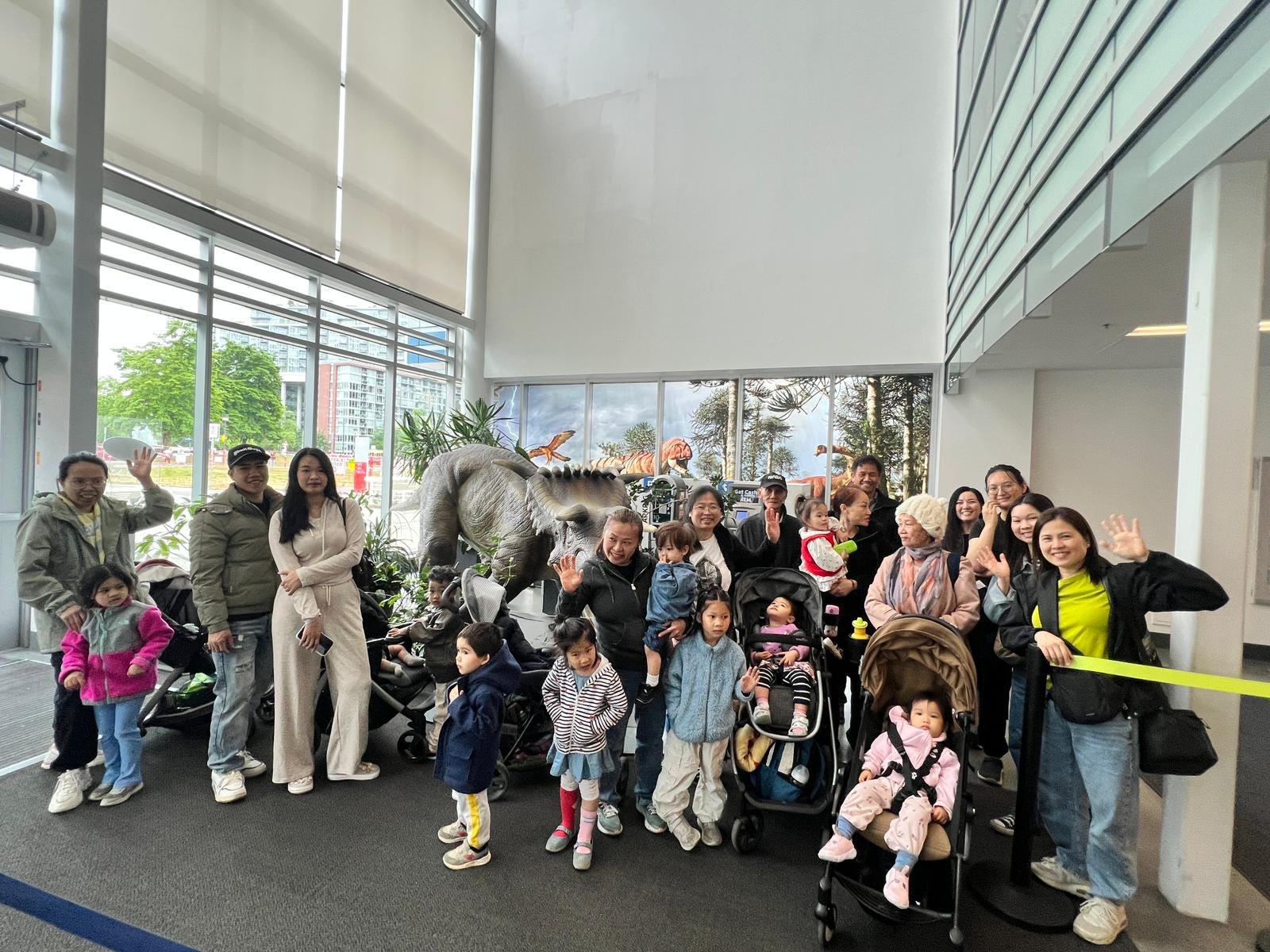
So outings like Science World or Granville Island become a much-needed break.
A win–win for both parents and children:
Children explore and play
Parents get a moment to pause, talk, and breathe
To sit together, to share, to release stress— even through the smallest conversations.
These informal settings often created opportunities for:
Stress relief
Peer bonding
Organic conversations
These moments are an important part of the program, supporting emotional well-being and strengthening relationships within the group.
What We Achieved
From an operational perspective, this term achieved several key milestones:
A clear program structure implemented from the beginning
Consistent communication through social media
Improved participant engagement and retention
More importantly, we observed:
Increased peer-to-peer interaction
Greater comfort in asking questions
Stronger sense of belonging within the group
What Participants Gained
At the end of the day, CAPC-HP is a government-supported program.
We are required to measure outcomes, not only through feelings, but through real impact.
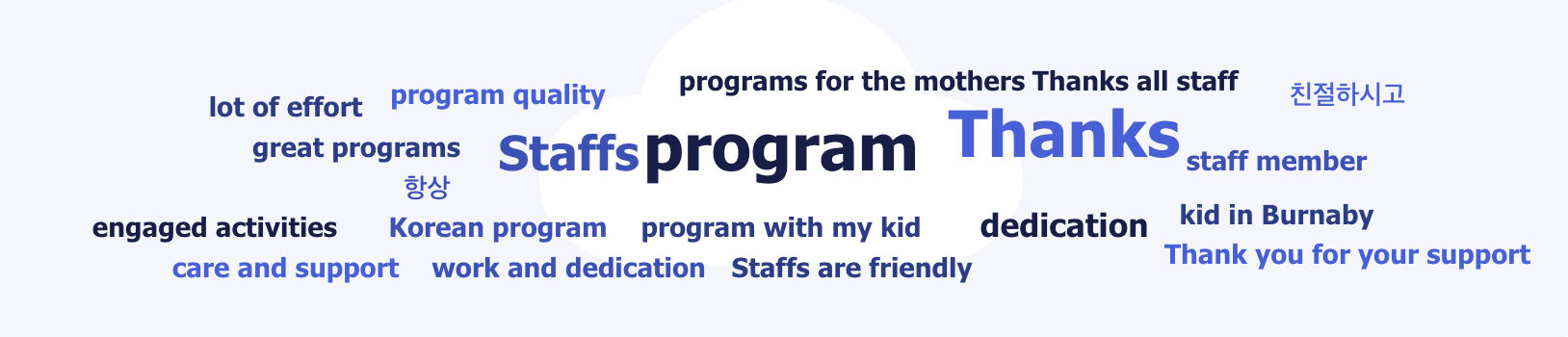
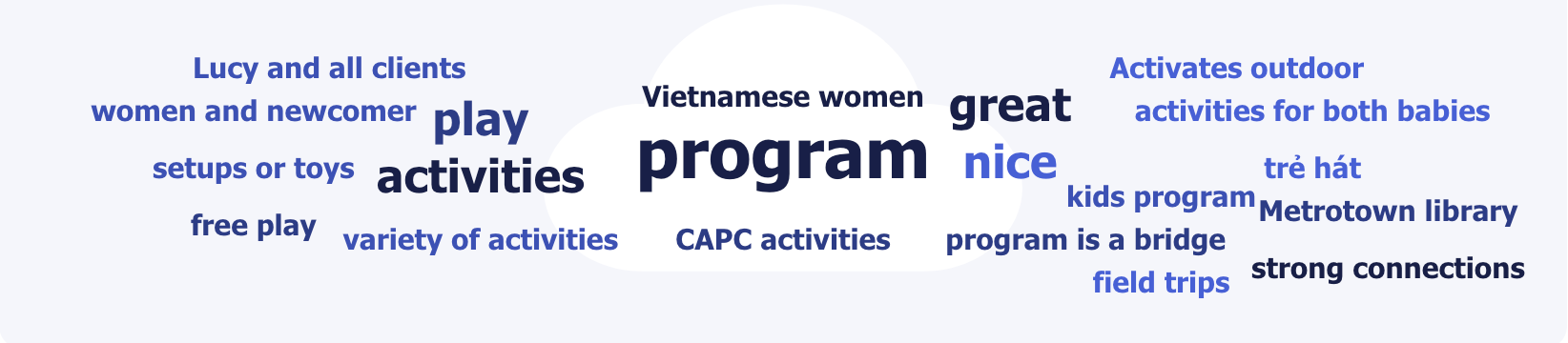
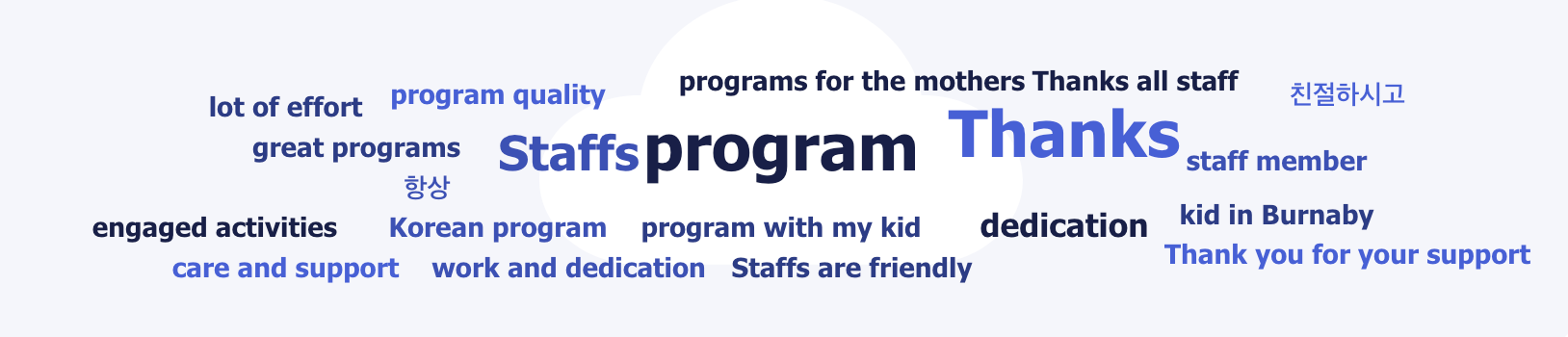
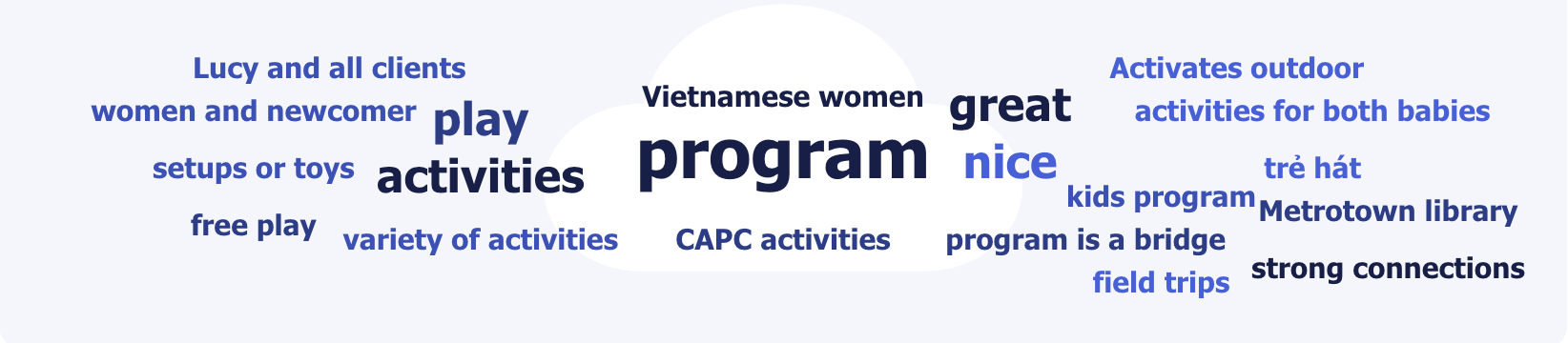
But sometimes, impact shows up in simple words: feedback reflected both practical and emotional impact:
“I wish there were two sessions per week.”
“I feel safe here.”
“I learned things I actually need.”
These responses indicate that the program is not only delivering information,
but also creating a trusted and supportive environment.
What This Means
As a frontline staff member, delivering CAPC-HP is not just about running a program. It is about responding to a real and lived need.
Many of the families we work with are navigating parenthood while also adapting to a new country, new systems, and limited support networks.
CAPC-HP becomes one way to bridge that gap:
Between need and access
Between isolation and connection
We may not be able to fully recreate a traditional “village.”
But through consistent effort, we can build a functional version of it—one that is consistent, accessible, and grounded in real experiences.
What’s Next?
The program will pause for summer, with planned activities including:
BC Cancer event (August 14) - Register here
Walkathon (August 16) - Join us here
Potential PLAYshop in July
The Fall term will resume in September.
Closing
For many families, the starting point is:
no help, no village
If, through this program, participants can find even a small sense of support—
then we are moving in the right direction.
There is still so much to build, and it takes many hands to build it.
But if even one family can find a small place to lean on—even just a little—
then “it takes a village” is no longer just a sentence.
Let’s keep building it, together.
Lucy Phuong Tran
Family Support Worker, ECEA and mother of a 4-year-old.
___ Vancouver, June 2026
Làng Mình: Học kỳ mùa xuân của CAPCHP
Có hai câu nói mà tôi không hề biết cho đến khi trở thành mẹ ở Vancouver:
It takes a village to raise a child.
và
The days are long but the years are short.
Hai câu nói mà tôi bắt gặp lặp đi lặp lại trong rất nhiều diễn đàn, hôị nhóm mẹ bỉm, hay các bài đọc, mà tôi trong những lúc tranh thủ vài phút nghỉ để tìm kiếm thông tin, giữa các hiệp ngụp lặp bỉm - tã - bú - ị và các giấc ngủ đứt đoạn triền miên khi nuôi con hai ba năm đầu đời.
Hai câu ngắn, nhưng mô tả gói gọn và chân thực công cuộc vất vả mà các bà mẹ vật vã mỗi đêm ngày thức chăm con. Có trở thành mẹ, hành trình ấy mới thực là mở ra ngay mắt tận tay.
Nhưng, no help và no village là tất cả những gì tôi có. Những bà mẹ newcomers. Một mình chống chọi gồng gánh. You have no idea. Until you experience it yourself. Và một cách thần kỳ, tôi phụ trách chương trình CAPCHP của Mosaic, để phần nào kiến tạo và là một village cho các mẹ have a shoulder to rely on. At least I hope so.
Let’s me break it for you how it is:
1. CAPC nhìn từ bên trong
Nếu nói CAPC là gì, thiệt ra cách dễ nhất chắc không phải giải thích, mà là nhìn vào những gì chương trình chúng tôi đã làm.
Spring term đã đến những buổi cuối cùng cúa những tuần cuối tháng 6. Và tôi như thấy cả một đoạn hành trình đã qua, dù ngắn dù dài, tôi tự hào vì đợt này chương trình có outline rõ ràng và cập nhật Social Media ngay từ những ngày đầu để các gia đình có góc nhìn toàn cảnh tốt nhất có thể. Như là:
outline rõ ràng ngay từ đầu
social media update đều
và flow tương đối xuyên suốt


2. Sessions in real action !
Mỗi session của CAPC-HP kéo dài 2 tiếng và được chia thành 3 phần.
Phần 1 là thời gian học hỏi. Mở đầu mỗi buổi là thời gian cho các mẹ tìm hiểu những kiến thức cần thiết để nuôi dạy con nhỏ, hoặc kết nối với các chuyên gia trong cộng đồng. Trong khi đó, các bé được chơi tự do và tham gia Art & Craft cùng cô giáo ECE.
Phần 2 là giờ ăn chung. Đây không chỉ là lúc các bé học kỹ năng giao tiếp xã hội, mà còn là cơ hội để các mẹ ngồi lại, trò chuyện và kết nối với nhau.
Phần 3 là Circle Time, thời khắc mà các bé luôn mong chờ. Các con được vừa học vừa chơi cùng mẹ, dưới sự hướng dẫn của cô giáo ECE, trong một không gian đầy sự gắn kết và niềm vui.
Trong 11 sessions này, tôi đã cùng các mẹ đi qua những nội dung rất thiết thực:
Hệ thống Childcare ở Vancouver và cách đăng ký
Đăng ký học mẫu giáo cho bé (Kindergarten)
RESP (đây là phần là cái tôi tâm huyết nhất)
Không phải là những điều gì quá lớn lao, nhưng là những thông tin thực sự cần thiết: đúng lúc, và đúng với những gì các mẹ đang cần trong hành trình nuôi dạy con.
3. Guest speakers – Such helpers !
Term này, nhờ kéo dài hơn, tôi tự hào và biết ơn khi mời được:
Multicultural victims
Public health nurse
Dental hygienist
Những người mà các gia đình với lịch chăm con bận rộn, khó có thể vừa gặp gỡ giao lưu vừa được hỏi đáp trực tiếp.


4. Cái “village” thật sự nằm ở đâu ?
Nhóm tôi, như những phụ nữ thực thụ, ngoài group Facebook chính thống, những câu chuyện cập nhật cho nhau ở WhatsApp lại là những sợi dây liên kết chúng tôi lại. Tôi đồ rằng các làng xã kiểu mẫu có lẽ cũng ra đời thế nhỉ.
Vì là, những tin nhắn rất nhỏ như là hỏi chuyện ăn ngủ của con, chia sẻ chỗ ăn chỗ chơi cho các con, hay thi thoảng chỉ để than mệt. Những nhỏ nhặt đời thường nối mọi người với nhau.
5. Field trip - một khoảng thở
Học hoài cũng mệt. Nhiều thông tin quá cũng overload. Nên mấy buổi đi chơi nhóm như Science World hay Granville Island là một cú nghỉ xả hơi rất cần thiết. Và win-win cho cả mẹ và bé. Con tha hồ khám phá, mẹ có phen nghỉ giải lao tám chuyện.
Ngồi lại nói chuyện, xả stress, nói những chuyện vụn vặt nhỏ nhỏ.
6. Impact – không chỉ là con số
Đến cuối cùng, CAPCHP vẫn là một chương trình được chính phủ hỗ trợ. Chúng tôi vẫn cần phải đo lường, không chỉ bằng cảm xúc của người tham gia hay tổ chức, mà còn là những impact tác động thật sự của nó.
Các mẹ đã viết cho chúng tôi ( mà lòng tôi đã thật rộn ràng khi đọc) :
“ước gì có 2 buổi mỗi tuần”
“cảm thấy an toàn hơn”
“học được những cái cần thiết”
Đọc xong tự nhiên thấy…có gì đó đang hình thành. Ngôi làng, xóm nhỏ của chúng tôi đây rồi chăng ?!
7. What’s next ?
Chúng tôi đã sẵn sàng cho kỳ nghỉ hè rực nắng. Nhưng sẽ vẫn có:
Rồi tháng 9 lại bắt đầu tiếp học kỳ mùa thu.
8. Tạm kết.
Có thể còn rất nhiều điều cần làm. Cần rất nhiều người để xây đắp.
Nhưng nếu một gia đình nào đó, có thêm một chỗ để dựa vào một chút, một chút xíu thôi. thì “it takes a village” không còn chỉ là một câu nói nữa.
Cả làng lại cùng nhau, nhé !
Lucy Phuong Tran
Family Support Worker, ECEA và là mẹ của một em bé 4 tuổi
___ Vancouver, tháng 6 - 2026